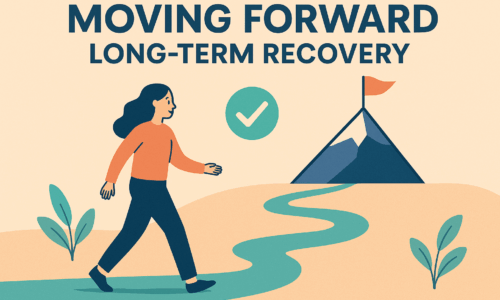
This module helps survivors rebuild stability, confidence, and purpose after experiencing trauma, crisis, or major stress. Each topic includes clear explanations, practical tools, and reflection prompts.
Curriculum
- 8 Sections
- 8 Lessons
- 1 Day
Expand all sectionsCollapse all sections
- The Recovery Timeline (It's Different for Everyone)Recovery has no fixed schedule. Each person heals at their own pace based on their experiences, support system, and environment. This lesson reinforces that slow progress is still progress.1
- Setting Realistic GoalsHealing becomes easier when goals are small, specific, and achievable. This lesson helps learners understand how to break big tasks into manageable steps and celebrate little wins.1
- Financial Stress and Mental HealthMoney challenges are common after a disaster. This lesson explains how financial pressure impacts emotional well-being and provides ways to reduce anxiety and create simple financial plans.1
- Rebuilding Your Sense of HomeHome is more than a place—it’s a feeling of safety. This lesson covers emotional recovery, routines, and small actions that help create stability even when rebuilding is still ongoing.1
- Career and Education RecoveryMany people face job loss, relocation, or school disruption. This lesson guides learners on restarting their career or education path, identifying opportunities, and rebuilding confidence.1
- Preventing Relapse of SymptomsStress, anxiety, and trauma symptoms may come back during tough times. This lesson teaches early warning signs and strategies to manage emotional setbacks before they grow.1
- Ongoing Self-Care PracticesSelf-care is an essential part of long-term recovery. This lesson focuses on simple, daily habits that protect mental health, such as sleep routines, mindfulness, movement, and boundaries.1
- Becoming a Peer SupporterHelping others can also strengthen your own healing. This lesson shows how to offer safe, compassionate support, share experiences responsibly, and know when to refer someone to professional help.1
Instructor